Democratizing Access to STEM, AI & the Creative Economy
How can young people use STEM, AI, creativity, and entrepreneurship to improve life in their communities?
Competition Guidelines
TRACK 1: SMART COMMUNITIES CHALLENGE
Objective
To encourage young people to identify challenges in their schools, homes, markets, and communities and develop practical solutions using STEM, AI, creativity, and innovation.
Challenge Question
How can we make our communities smarter, safer, healthier, cleaner, and more inclusive?
Problems Participants Can Solve
- Waste management
- Flooding and erosion
- Water access
- Public health challenges
- Transportation and traffic
- School attendance
- Community safety
- Agriculture and food security
- Environmental sustainability
- Market and business challenges
Project Components
Participants may submit:
- Drawings
- Posters
- Models
- Prototypes
- Presentations
- Storyboards
- Digital designs
- Videos
Smart City Component
Participants are encouraged to imagine and design smarter communities using technology, creativity, and local solutions.
Examples:
- Smart waste collection system
- Flood monitoring solution
- Smart market system
- Community safety solution
- Sustainable transport idea
Resources
Participants are encouraged to use locally available and recycled materials.
Technology is optional.
Projects will be judged on creativity, impact, and feasibility rather than cost.
TRACK 2: CREATIVE ECONOMY & FUTURE OPPORTUNITIES CHALLENGE
Objective
To encourage young people to use creativity, innovation, entrepreneurship, and digital skills to create opportunities, generate value, and improve lives.
Challenge Question
How can creativity, innovation, and technology create opportunities for people and communities?
Areas Participants Can Explore
- Digital storytelling
- Animation
- Educational content
- Local language solutions
- Cultural preservation
- Creative media
- Fashion and design
- Tourism ideas
- Entrepreneurship
- AI-powered solutions
- Youth employment solutions
Project Components
Participants may submit:
- Business ideas
- Storybooks
- Comic books
- Videos
- Animations
- Digital products
- Marketing campaigns
- Mobile app concepts
- AI solution concepts
- Community projects
Creative Economy Component
Participants should demonstrate how their idea can create value, solve a problem, generate income, create jobs, or improve community well-being.
Resources
Participants may use any available resources, including paper, recycled materials, local materials, mobile phones, digital tools, or simple prototypes.
Projects do not need advanced technology to qualify.
ACCESS FOR ALL GRAND FINALE
Top projects from both tracks will advance to the Grand Finale.
Grand Challenge Question
How can STEM, AI, creativity, and innovation create opportunities for everyone?
Participants will present their projects before judges, educators, industry leaders, and community stakeholders.
Other Information
Submission Process
- Participating schools will register through an online form, providing basic information and selecting their competition category.
- Submissions are made via a dedicated portal on the competition website, where participants can upload their stories, comics, photos, or videos along with a brief description of their project.
Judging Criteria
1. Problem Identification and Understanding (20 Points)
How clearly does the participant identify and explain the problem they are trying to solve?
Judges will look for:
- Clear description of the problem
- Understanding of who is affected
- Evidence that the problem is real and relevant
2. Creativity and Innovation (20 Points)
How original and creative is the idea or solution?
Judges will look for:
- New or unique thinking
- Creative use of available resources
- Innovative approach to solving the problem
3. Community Impact (25 Points)
How much positive difference could the solution make?
Judges will look for:
- Potential benefits to individuals or communities
- Social, educational, environmental, or economic impact
- Alignment with local needs
4. Feasibility and Practicality (20 Points)
Can the idea realistically be implemented or tested?
Judges will look for:
- Realistic approach
- Use of locally available resources
- Sustainability and scalability
5. Presentation and Communication (15 Points)
How effectively does the participant communicate their idea?
Judges will look for:
- Clarity of presentation
- Confidence and organization
- Ability to answer questions
Timeline
- Registration Opens: April 2nd
- Awards Ceremony: July 23rd, 2026
Awards & Recognition
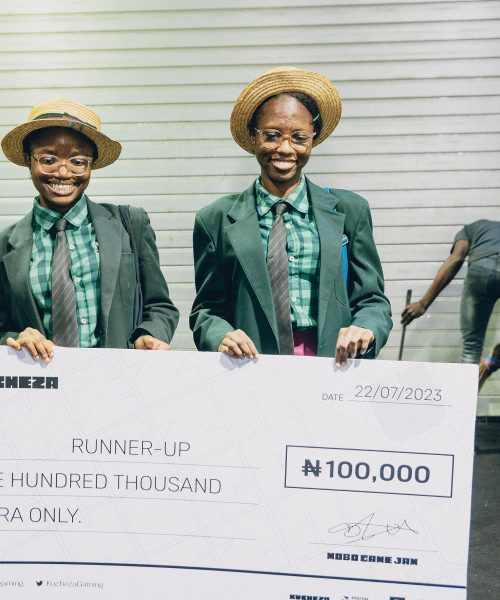
- Prizes: Winners in each category will share cash and gift prizes worth N2,000,000, cutting-edge STEM kits, space science books, and innovation toolkits. All winners and runner-ups will be awarded digital certificates.
- Showcase: Selected projects will be featured in an online exhibition and presented during a virtual award ceremony, where winners will have the opportunity to showcase their innovations to industry experts and space enthusiasts.
- Feedback: Participating schools will receive constructive feedback from the judges, highlighting strengths and offering guidance for further development of their ideas.